
At a Glance
- Global arch liner demand scales with rising vehicle production.
- Material shifts toward lightweight composites support fuel efficiency.
- Textile liners gain traction for enhanced acoustic performance.
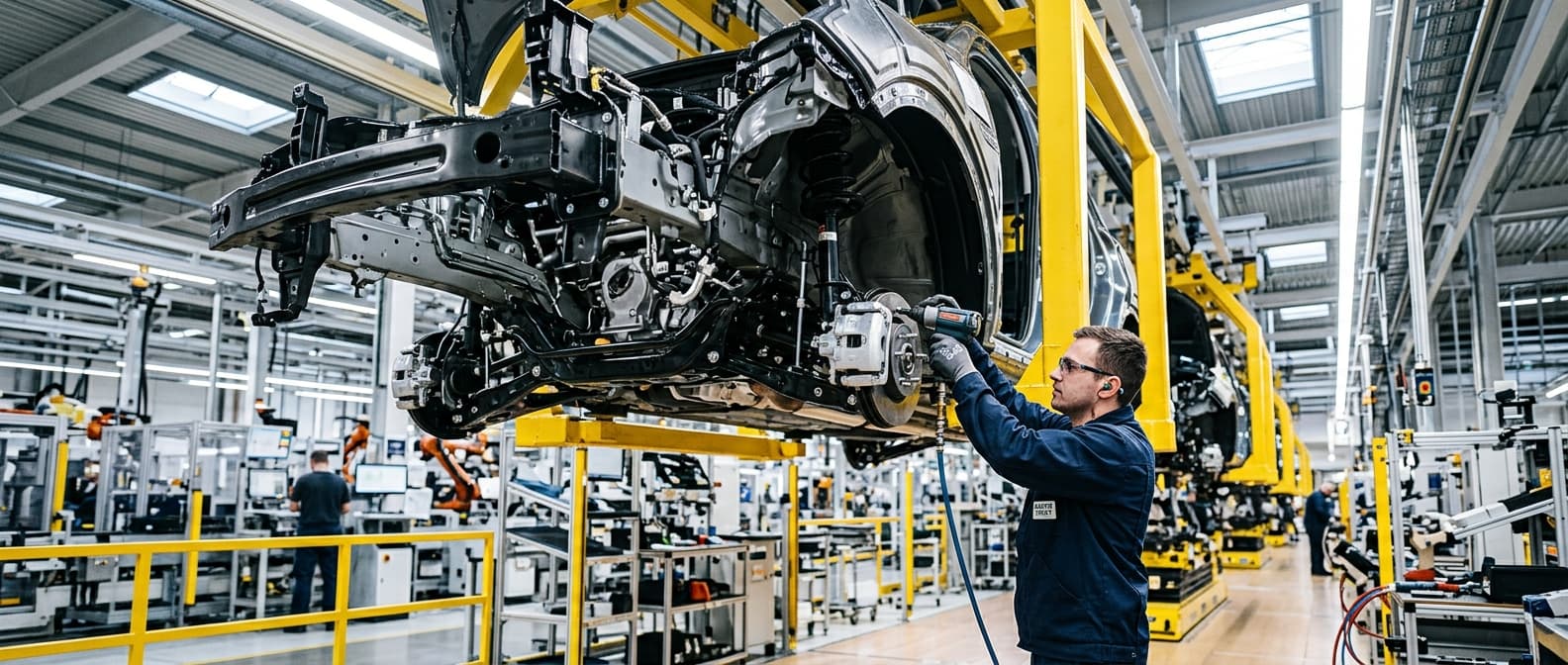
The global arch liner market is entering a phase of steady expansion as automotive manufacturers prioritize vehicle longevity and passenger comfort. Recent industry data suggests a significant shift toward advanced materials that protect wheel wells from debris and corrosion while reducing cabin noise. Between 2026 and 2035, the sector expects to see increased adoption across both passenger and commercial vehicle segments. This growth aligns with rising global vehicle sales and stricter environmental regulations regarding fuel economy and material weight.
Material Shifts and Manufacturing Trends
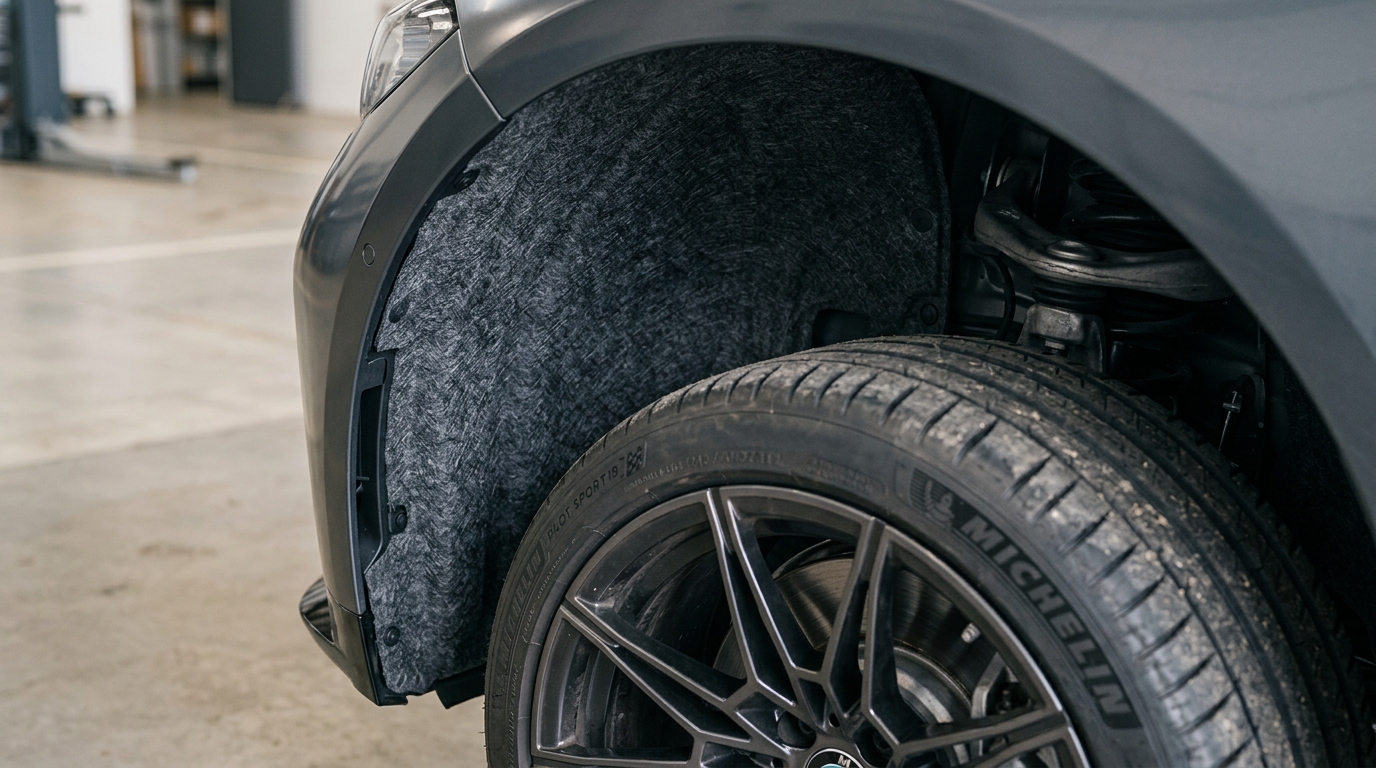
Manufacturers are increasingly moving away from traditional heavy plastics toward lightweight composites and non-woven textiles. These materials help automakers meet environmental standards by reducing the overall weight of the vehicle. Polyethylene and polypropylene remain the dominant choices due to their durability and cost-effectiveness in high-volume production. However, high-end models are increasingly utilizing specialized textile liners to improve acoustic performance.
The integration of recycled plastics into the manufacturing process has become a priority for major suppliers. This shift addresses growing consumer demand for sustainable products and helps companies manage raw material costs. Modern injection molding techniques allow for more precise fits, which prevents moisture from reaching sensitive mechanical components. These technical improvements extend the life of the vehicle and reduce long-term maintenance costs for owners.
Regional growth is particularly strong in the Asia-Pacific area, where vehicle production continues to scale. Developing infrastructure in these regions increases the wear and tear on wheel wells, making protective liners a standard requirement rather than an optional feature. Market analysts expect that Transparency Market Research will continue to track these shifts as manufacturers adjust their supply chains to meet regional demand.
Emerging economies are seeing a surge in vehicle ownership, which directly correlates with the demand for aftermarket and original equipment components. Local manufacturers in these regions are expanding their production capacities to keep up with domestic needs. This localized production helps reduce shipping costs and allows for quicker responses to market changes.
"The shift toward lightweight and noise-dampening materials is no longer a luxury but a necessity for modern automotive design. As electric vehicle adoption grows, the need for quiet cabins will drive further advancements in arch liner technology."
— Anil Sharma, Senior Research Analyst at Transparency Market Research
Market Dynamics and Vehicle Segmentation
The passenger car segment remains the primary driver of market volume, accounting for a significant portion of total revenue. Within this category, the rise of sport utility vehicles and crossovers has led to larger wheel wells that require more substantial lining solutions. Manufacturers are responding by designing modular liners that can be adapted across different vehicle platforms. This approach helps reduce engineering costs and speeds up the time to market for new models.
Commercial vehicles also represent a growing opportunity for arch liner suppliers. Heavy-duty trucks and delivery vans operate in harsh environments where wheel well protection is essential for operational uptime. These vehicles require liners with high impact resistance and the ability to withstand extreme temperature fluctuations. Suppliers are developing reinforced materials specifically for these demanding applications to capture a larger share of the logistics sector.
Technological advancements in the automotive sector are pushing suppliers to incorporate smart features into wheel well components. Some companies are testing liners with integrated sensors to monitor tire wear or road conditions. While these features are currently in the early stages of development, they indicate a future where every part of the vehicle contributes to data collection. This evolution will likely redefine the relationship between component manufacturers and original equipment manufacturers.
The shift toward electric vehicles presents unique challenges and opportunities for the arch liner sector. Electric motors are quieter than internal combustion engines, making road noise more noticeable to passengers. Consequently, there is a higher demand for sound-absorbing arch liners that can mitigate this issue. Manufacturers are investing in research and development to create specialized acoustic barriers for the next generation of transport.
The outlook for the arch liner market through 2035 remains positive as the automotive industry adapts to new mobility trends. While challenges such as fluctuating raw material prices and supply chain disruptions persist, the fundamental need for vehicle protection ensures steady demand. Companies that focus on material efficiency and acoustic performance will likely lead the market in the coming decade. As the industry moves toward electrification, the role of these components in enhancing the driving experience will only increase.