
At a Glance
- Market growth driven by increased adoption of 3D printing technology.
- Surgical planning and medical education emerge as primary demand sectors.
- North America maintains dominance while Asia-Pacific shows rapid expansion.
The global anatomical modelling market is experiencing a significant shift as healthcare providers integrate 3D simulation and printing into standard medical training. Recent data indicates that the demand for high-fidelity models is increasing to support complex surgical procedures and improve patient outcomes. These advancements allow surgeons to practice on physical replicas of patient-specific anatomy before entering the operating room. This technological transition marks a move away from traditional cadaver-based training toward more accessible and repeatable digital and physical simulations. The market value is expected to rise as more institutions recognize the long-term cost benefits of these tools.
Precision in Surgical Planning
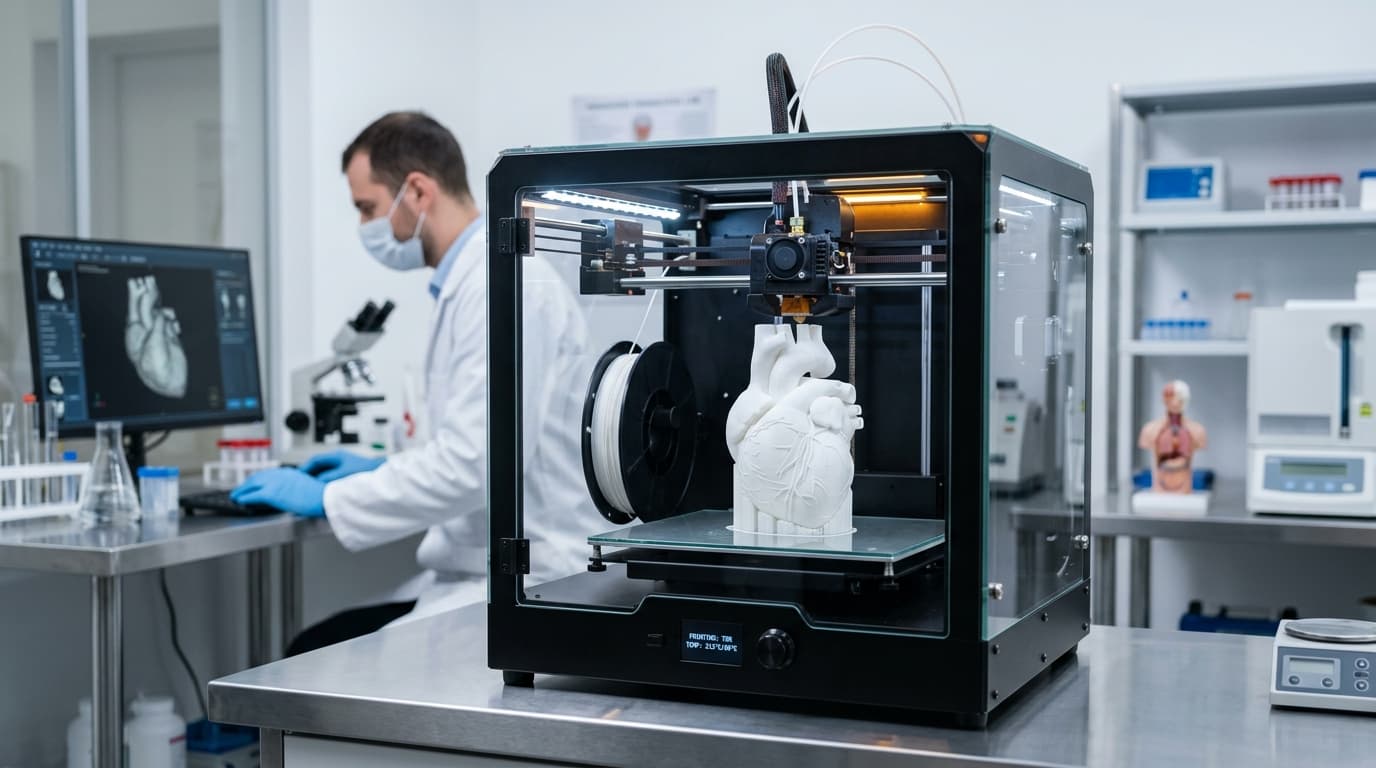
The integration of 3D printing technology serves as a primary driver for market expansion. Hospitals now use these models to visualize intricate vascular structures and skeletal abnormalities with high precision. This level of detail helps surgical teams identify potential complications earlier in the planning process.
According to the latest report from Market Research Future, the adoption of these tools reduces operating time and minimizes risks during surgery. Medical institutions are investing in in-house 3D printing labs to produce these models on demand. This shift decreases the reliance on external vendors and speeds up the preparation for urgent cases.
Furthermore, the use of diverse materials allows for the replication of different tissue densities. Surgeons can differentiate between bone, muscle, and soft tissue within a single physical model. This tactile feedback is vital for training residents in specialty areas such as neurosurgery and cardiology.
Software developers are also contributing to this growth by creating better imaging conversion tools. These programs take standard MRI and CT scans and transform them into printable 3D files. This automation makes the process of creating custom models more efficient for hospital staff.
"The transition toward digital and 3D-printed anatomical models represents a fundamental change in how medical professionals prepare for complex interventions. By utilizing patient-specific data, we are seeing a marked improvement in surgical accuracy and a reduction in post-operative complications across the board."
— Akash Gupta, Lead Analyst at Market Research Future
Medical Education and Regional Growth
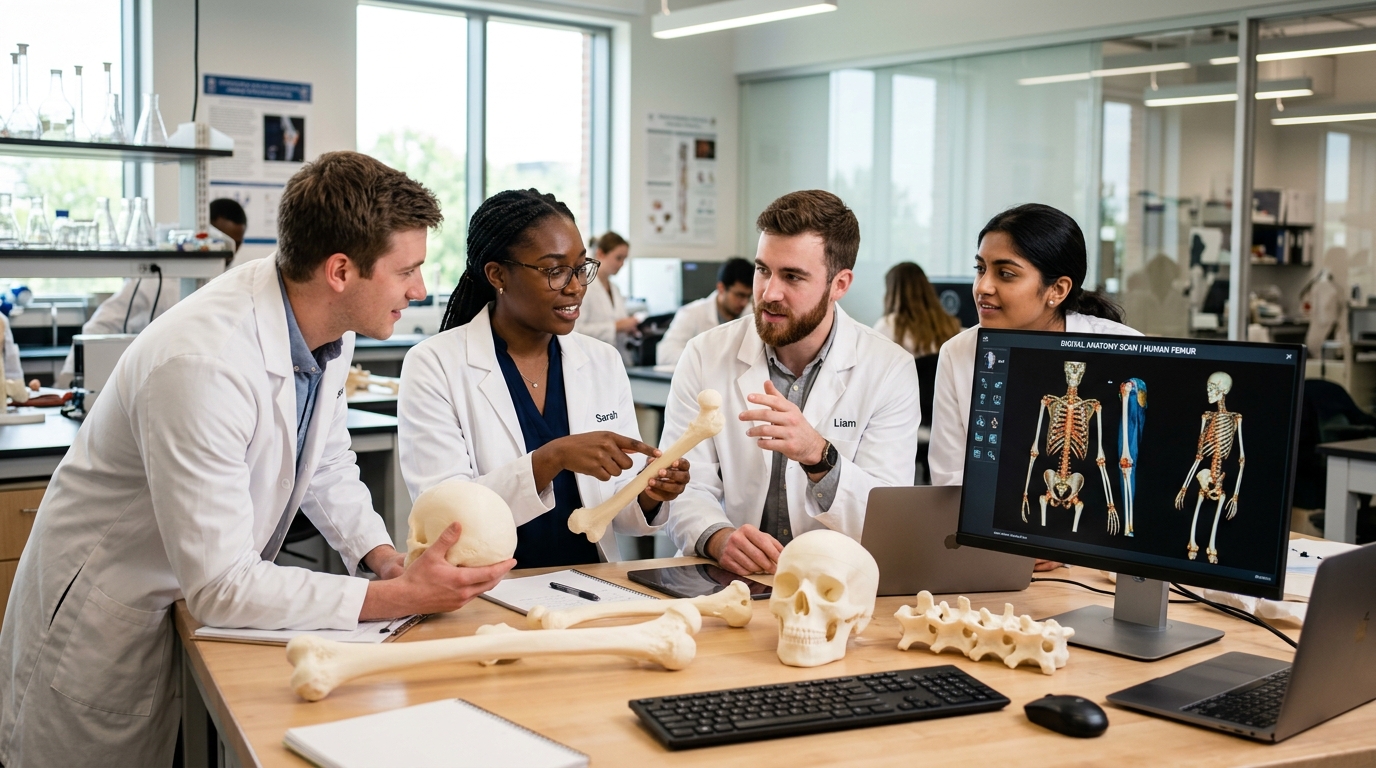
Educational institutions are increasingly replacing traditional methods with digital anatomical software. These platforms provide students with interactive views of human systems that are difficult to observe in physical specimens. The ability to manipulate 3D images on a screen enhances the learning experience for students globally.
North America currently holds the largest share of the market due to its advanced healthcare infrastructure. The presence of major technology developers and high research spending supports this regional dominance. Several key players are located in this region, focusing on product development and strategic partnerships.
Investments in healthcare modernization in China and India are fueling rapid expansion in the Asia-Pacific region. Local governments are supporting the adoption of digital health tools to improve medical training standards. As these technologies become more affordable, smaller clinics and rural hospitals are beginning to incorporate them into their practices.
The market is also seeing a rise in specialized applications for orthopedic and dental surgeries. Custom-made models for joint replacements and dental implants are becoming standard practice. These specific use cases contribute to steady revenue streams for companies operating in this sector.
The anatomical modelling market is positioned for sustained growth as technology becomes more integrated into daily medical workflows. Future developments will likely focus on increasing the realism of simulations through augmented reality and improved material science. As costs continue to decline, the availability of these advanced training tools will expand to emerging markets. This evolution ensures that the next generation of surgeons will have access to the most accurate preparation tools available.