Click Below To Share & Ask AI to Summarize This Article
Save time and get the key takeaways instantly. Choose your favourite AI assistant to read and analyse this page for you.
At a Glance
- HTF Market Intelligence reports surge in aluminum cable demand.
- Power transmission and construction sectors drive market expansion.
- Cost-efficiency over copper remains a primary growth factor.
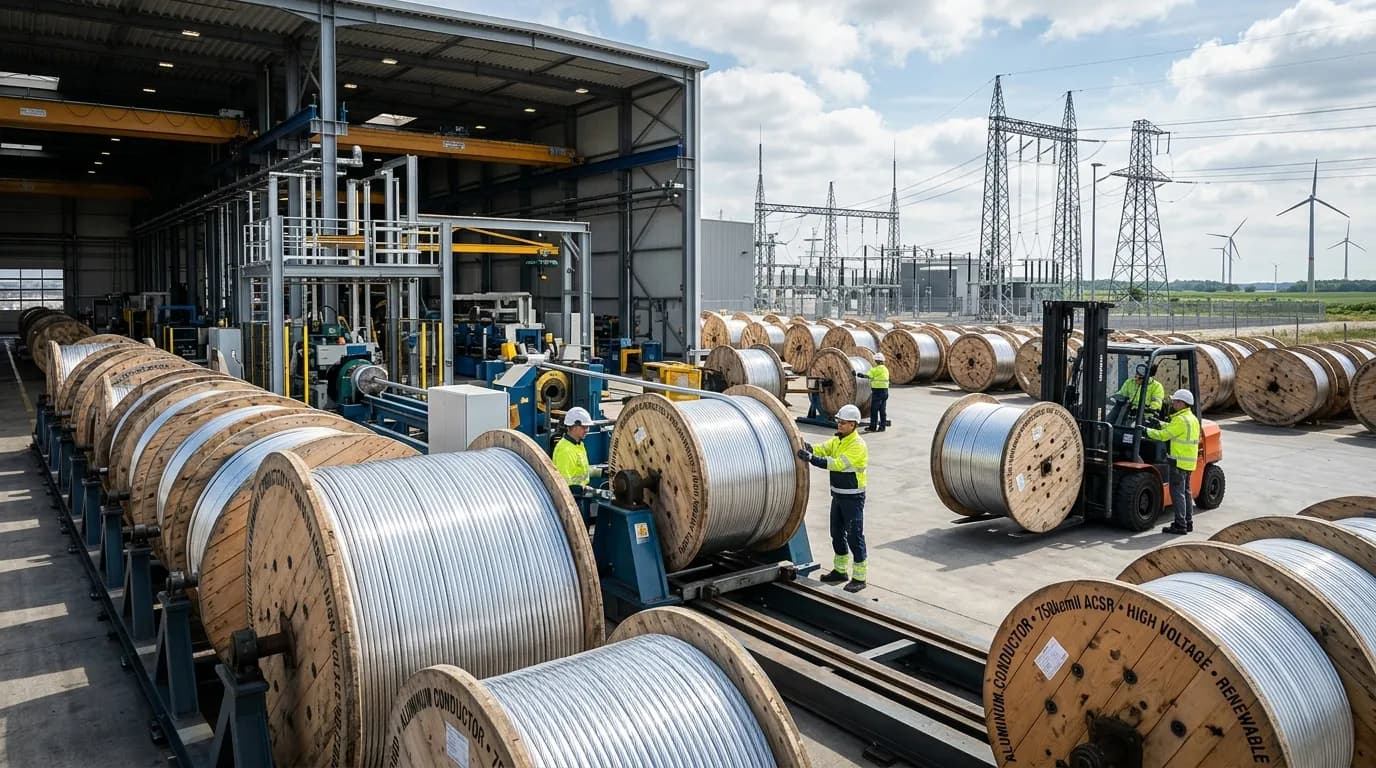
The global aluminum cable market is experiencing a significant shift as utility providers and construction firms transition toward more cost-effective materials. A recent report from HTF Market Intelligence indicates that the adoption of strategic energy technologies is accelerating this trend across major international regions. As power grids modernize to accommodate renewable energy sources, the demand for lightweight and high-conductivity wiring solutions has reached new heights. Industry analysts expect this momentum to continue through the end of the decade as infrastructure projects multiply.
Market Dynamics and Material Preferences
Aluminum has emerged as a preferred alternative to copper in various heavy-duty applications. Its lower weight reduces the physical strain on transmission towers and simplifies the installation process for large-scale infrastructure projects. This characteristic proves particularly beneficial in long-distance power distribution where material costs and logistics play a major role in project feasibility.
The manufacturing sector is responding to these needs by refining the conductivity of aluminum alloys. Modern cables now offer performance levels that rival traditional copper wiring while maintaining a significantly lower price point. This economic advantage allows utilities to expand their networks without exceeding budgetary constraints. HTF Market Intelligence notes that these material advancements are reshaping the competitive environment for global cable suppliers.
Regional growth patterns show a concentrated effort in Asia-Pacific and North America to upgrade aging electrical grids. Governments are investing in smart grid technology, which requires substantial amounts of high-quality cabling to function effectively. Consequently, suppliers are increasing production capacity to meet the rising requirements of these public works projects.
Major industry players like Prysmian Group and Nexans are currently adjusting their portfolios to emphasize aluminum-based products. These companies are investing in new facilities to handle the specific metallurgical requirements of high-grade aluminum. By doing so, they aim to capture a larger share of the utility-scale market where copper is becoming prohibitively expensive.
"The shift toward aluminum in the power sector is driven by the necessity for lighter, more affordable materials that do not compromise on electrical efficiency or safety standards."
— Nitesh Singh, Lead Analyst at HTF Market Intelligence
Strategic Adoption in Emerging Sectors
The telecommunications and renewable energy sectors are becoming primary consumers of aluminum cable products. Wind farms and solar installations require extensive wiring to connect remote generation sites to the main power grid. Aluminum's resistance to corrosion makes it a suitable choice for these outdoor environments where weather exposure is a constant factor.
In the telecommunications space, the rollout of 5G infrastructure is creating new opportunities for cable manufacturers. While fiber optics handle data transmission, aluminum cables often provide the necessary power supply to cell towers and base stations. This dual-purpose utility ensures a steady stream of orders for specialized cable configurations across urban and rural developments.
Competition among major players is intensifying as they vie for market share in developing nations. These companies are focusing on localized manufacturing to reduce shipping costs and improve delivery times for regional projects. Such strategies help them maintain a foothold in markets where infrastructure development is currently booming and price sensitivity is high.
Volatility in the global metals market also influences the strategic decisions of cable buyers. While aluminum prices fluctuate, the metal generally remains more stable and accessible than copper. This stability provides a level of predictability for long-term construction contracts and municipal utility planning. Managers are increasingly locking in supply agreements to hedge against potential price spikes in the future.
The outlook for the aluminum cable industry remains positive as global energy demands continue to rise. Technological improvements in cable insulation and alloy composition will likely further enhance the marketability of these products. As more nations commit to carbon neutrality goals, the infrastructure required to support green energy will rely heavily on these materials. Stakeholders should monitor fluctuating raw material prices, but the underlying demand for efficient power transmission appears stable for the foreseeable future. Continued investment in grid modernization will serve as a primary catalyst for sustained market growth.
Stay Ahead of the News
Get the latest business news and company spotlights delivered to your inbox. No spam, unsubscribe any time.
We respect your privacy. Unsubscribe at any time.