
At a Glance
- Market expansion driven by global agricultural modernization efforts
- Rising demand for efficient irrigation and livestock water supply
- Asia-Pacific emerges as the fastest-growing regional market segment
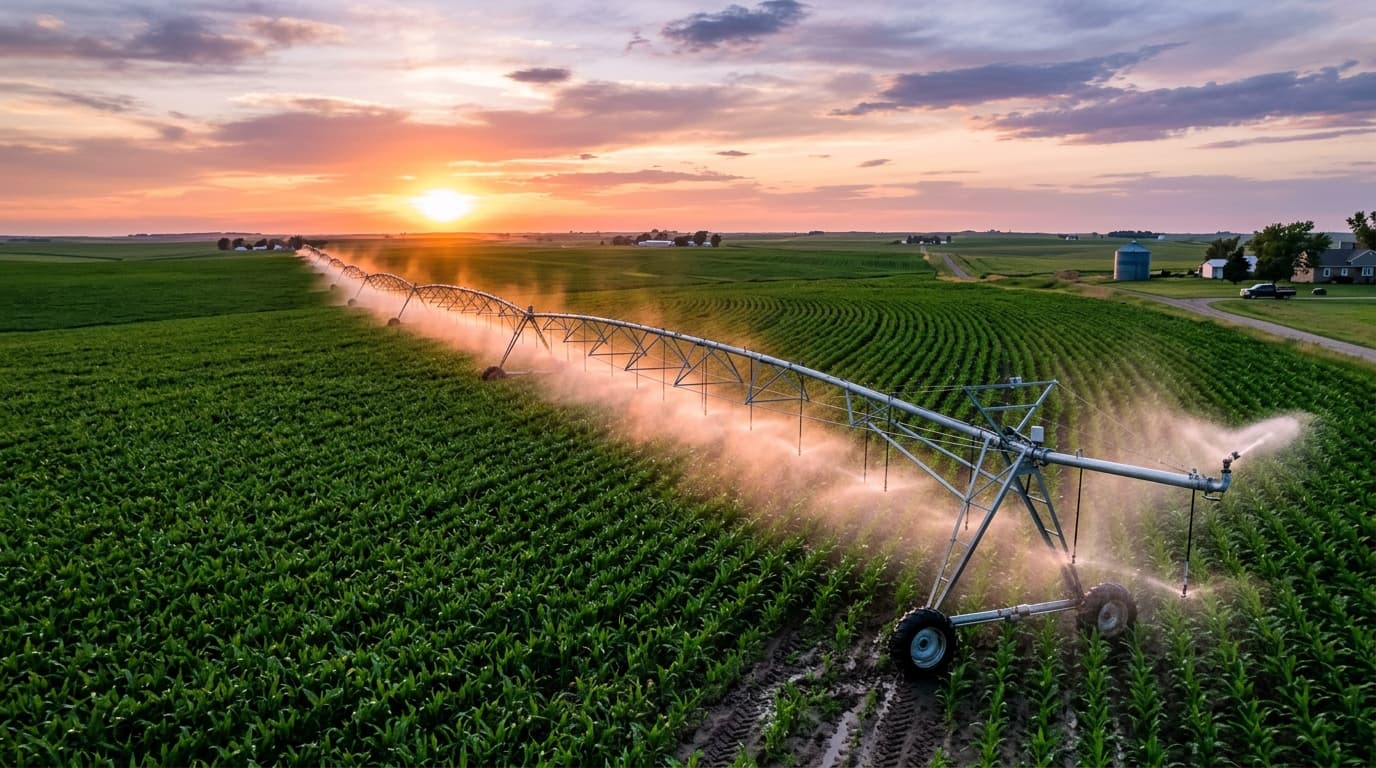
The global agricultural vortex water pump market is entering a period of steady expansion as farming operations modernize across every continent. Rising demand for efficient irrigation systems and sophisticated water management solutions drives this upward trend within major agricultural hubs. Analysts point to the increasing need for reliable drainage and livestock water supply as primary factors sustaining market momentum through the current decade. This shift reflects a broader transition toward mechanized agriculture to combat labor shortages and fluctuating weather patterns.
Regional Demand and Segment Performance
The market divides into surface and submersible vortex pumps based on technical specifications and installation requirements. Each segment serves distinct needs ranging from shallow well extraction to deep-water drainage in flood-prone regions. Farmers increasingly select these specific units for their ability to handle solids and air pockets without losing prime during operation.
North America and Europe maintain a significant share of the global market due to high levels of existing farm mechanization. These regions prioritize energy efficiency and the integration of hardware with automated irrigation controllers. Manufacturers focus on meeting strict environmental regulations regarding power consumption and the use of sustainable material components.
The Asia-Pacific region shows the highest growth potential through the end of the forecast period. Rapid industrialization of the agricultural sector in China and India fuels the demand for cost-effective and durable pumping hardware. Local governments provide various subsidies to help small-scale farmers upgrade from manual methods to electric vortex systems.
South America and the Middle East are also expanding their procurement of specialized water management tools to combat arid conditions. These areas require precise water delivery for high-value crops and large-scale livestock operations. Companies like Grundfos are positioning themselves to capture this demand by expanding local distribution networks and technical service centers.
"The integration of smart sensors into vortex pump designs allows for real-time monitoring of flow rates and pressure levels. This evolution helps agricultural businesses reduce operational costs while maximizing crop yields during dry seasons."
— N. Shah, Senior Research Analyst at HTF Market Intelligence
Competitive Dynamics and Technical Trends
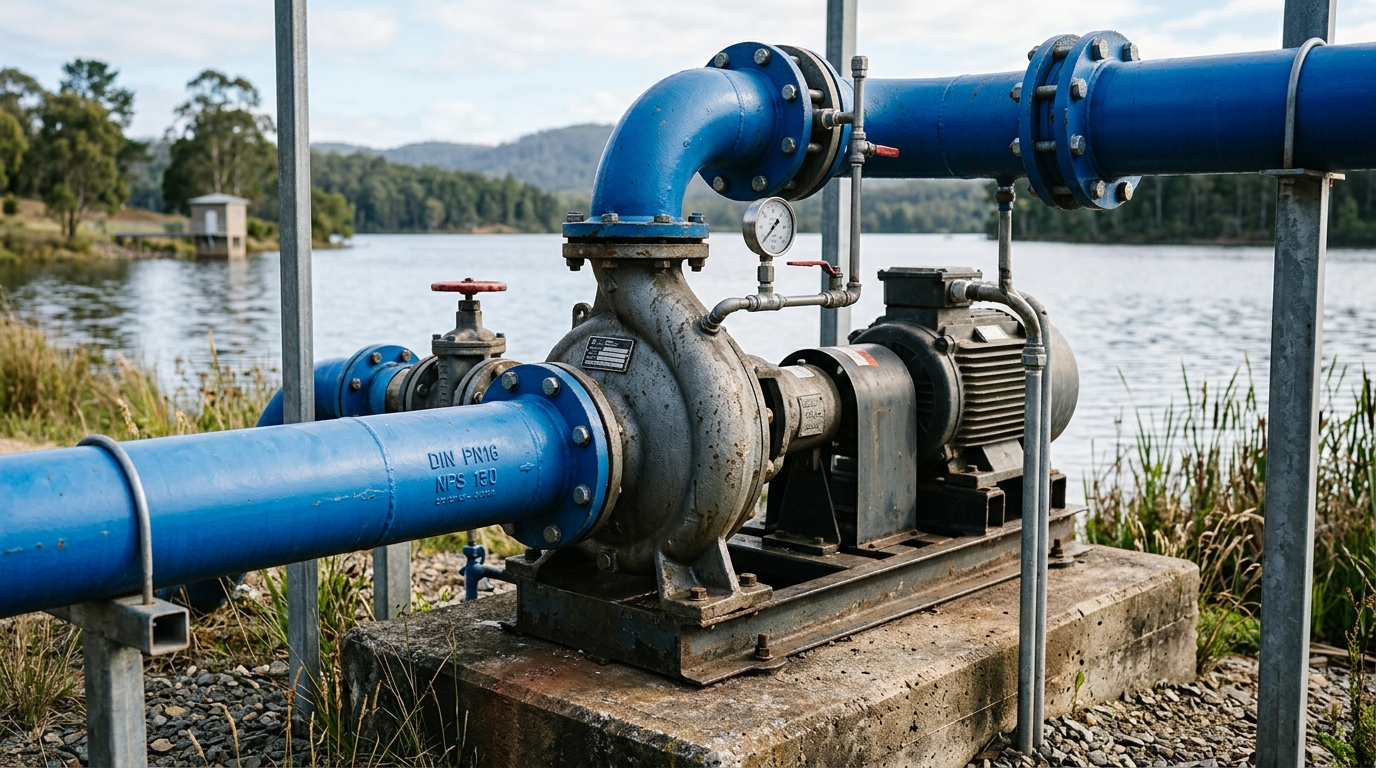
Key industry participants including Xylem, KSB Group, and Ebara Corporation are intensifying their research and development efforts to stay ahead. These firms aim to improve the hydraulic efficiency of vortex impellers to reduce the total cost of ownership for end-users. High-performance materials like stainless steel and specialized polymers are frequently replacing traditional cast iron components in newer models.
Competition remains fierce as regional players in China and Italy offer highly competitive pricing on standard vortex models. These manufacturers use local supply chains to maintain high production volumes for the global export market. Large multinational corporations respond to this pressure by offering advanced telematics and remote diagnostic features.
The report highlights the growing importance of the livestock water supply segment within the broader market. Modern dairy and poultry operations require consistent water pressure to maintain animal health and strict hygiene standards. Vortex pumps provide the reliability needed for continuous operation in these demanding and often harsh environments.
Drainage applications represent another vital revenue stream for pump distributors and manufacturers alike. Excessive rainfall and sudden flooding events require rapid water removal to prevent crop rot and significant soil degradation. Submersible vortex models are particularly effective in these scenarios due to their ability to handle debris-laden water without clogging.
The outlook for the agricultural vortex water pump sector remains positive as global food demand continues to rise. Sustained investment in rural infrastructure and water conservation projects will likely support market stability despite economic fluctuations. As technology advances, the industry will focus on solar-powered units and low-maintenance designs to serve remote farming communities. These developments ensure that vortex pumps remain a staple of modern agricultural productivity for the foreseeable future.